NEW FERRY FOR ENTEBBE KALANGALA BUGALA ISLANDS

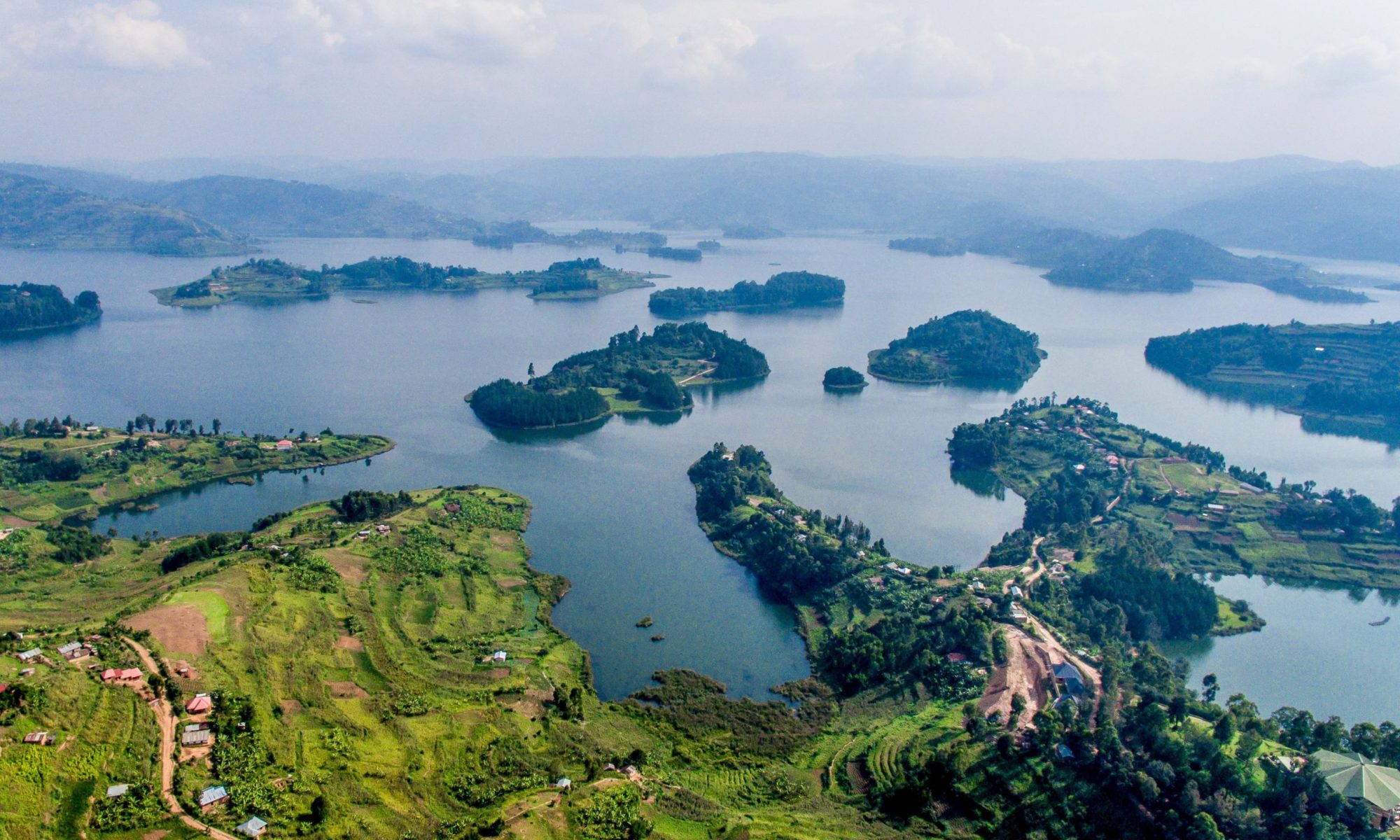
The Ssese Islands are an archipelago of eighty-four islands in the northwest of Lake Victoria, Uganda. About forty-three of the islands are inhabited. The islands vary in size from less than 10,000 square metres, to over 40 kilometres in length for the largest island, Bugala.

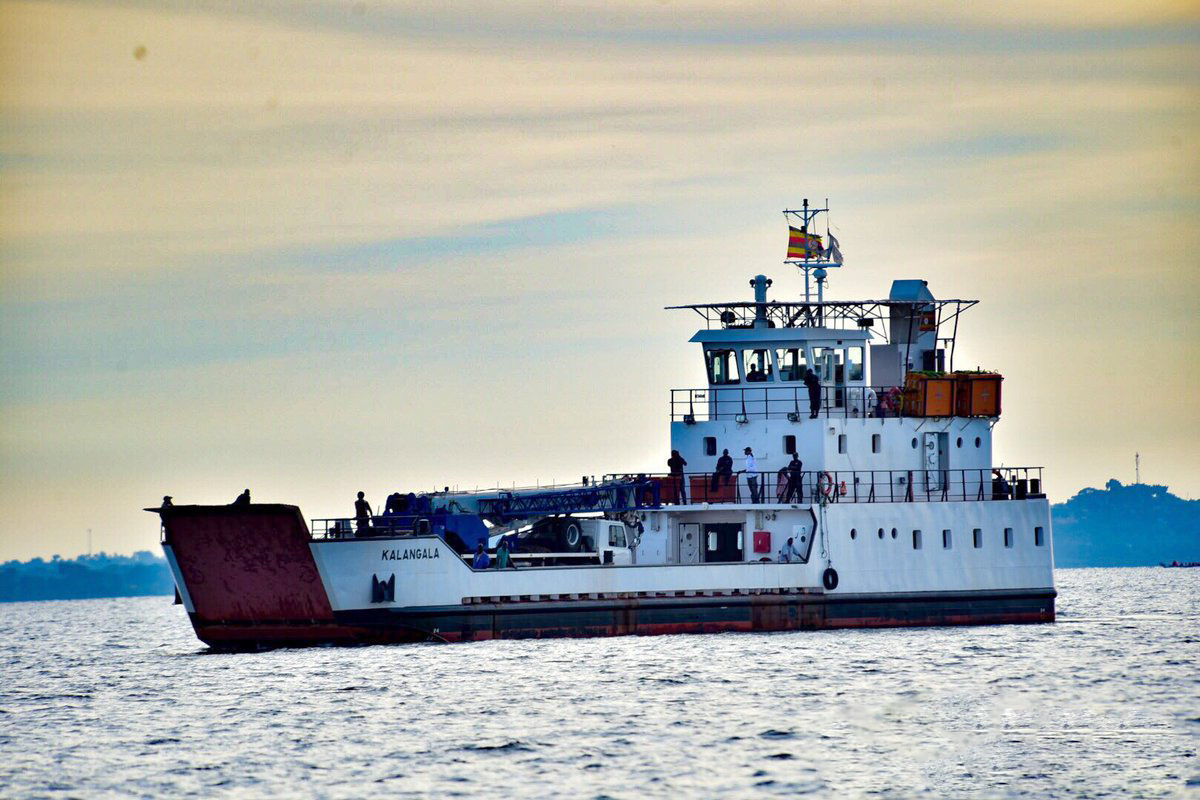
There is a new ferry to Kalagala from Entebbe (Natiwogo). Uganda Tour operators and tourists can now heave a sigh of relief after the introduction of MV-MOSES which is to provide transport to Kalangala Ssese islands from Nakiwogo Entebbe as the MV Kalangala undergoes a total overhaul in Mwanza.

The MV Kalangala leaves Nakiwongo in Entebbe at 2pm, you need to go earlier so that you are sure of a ticket. The main Island of which is Bugala has numerous accommodations. For budge – look out for Panorama cottages or mirembe resort. For high end look for the fairly new Brovad Sands Lodge. The taxis in Entebbe know Nakiwongo – where the ferry docks. Activities – Cycling around given route ( you can rent bicycles from the hotels and a map), forest walks, fishing, tour of Kalangala Island and bird watching.

According to a reliable source, each person boarding is charged Uganda Shillings 15000. The departure time from Entebbe time: 10:00am
Arrival time at ssese islands. 12:00.
Departure time from Ssese Islands: 3:00pm
Arrival time at Entebbe. 5:00pm.

The MV Kalangala Ferry schedule travel one route daily between (Nakiwogo landing site) outside Entebbe town and Lutoboka Bay, Buggala Island, Ssese. Ferry departs Entebbe for Kalangala at 2 pm arriving at 5.30 pm. The return journey from Kalangala to Entebbe starts at 8 am arriving at 11:30 am.

Bugala Island is easily accessible by ferry, and is a regular weekend destination for Kampala residents. The island forms an L shape (with the long stem of the L pointing south, and the short stem pointing west).
Uganda Museum – A Forgotten Rich Cultural heritage?

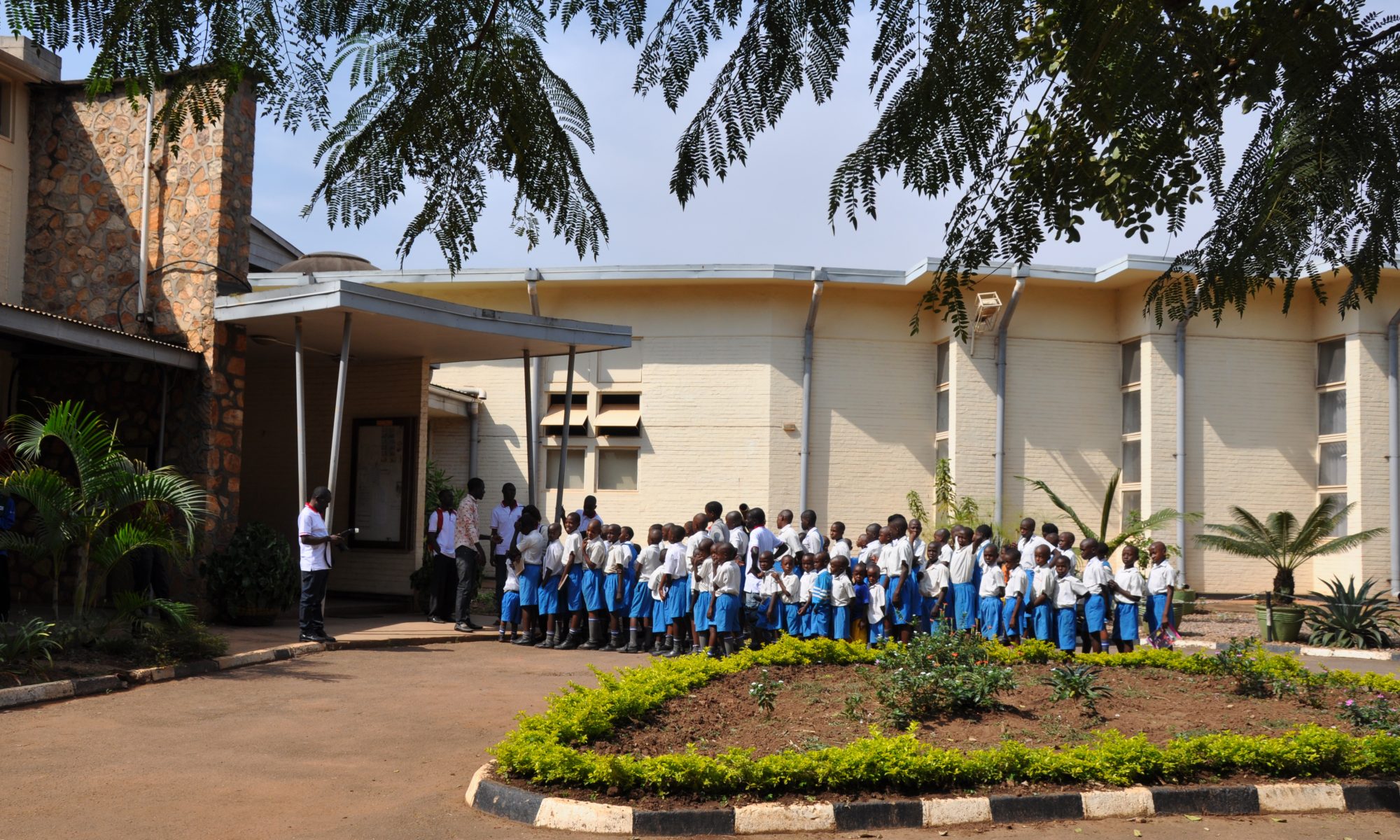
The Uganda Museum, which occupies 3.359 hectares (approximately 13 acres), located on Plot 5, Kira road in Kamwokya, is in dire need of a facelift. Although it is evident that the exterior recently got a fresh brush of paint, a number of things need to be fixed. For instance, the benches in the garden are dilapidated, while the parking yard needs to be widened and repaved.

The Uganda museum was founded in 1908 and has exhibits and artifacts of traditional culture, archeology, history and science. It has various interesting sections riddled with artifacts that bring to life the different historical aspects of our society. For instance, in the Stone Age section, one is able to observe physical tools used by Stone Age people. These tools include stones, bones and wood used for cutting, scraping and chipping, and how they evolved into the modern tools that Ugandans use today, or used in the recent past.

One is also able to see how we evolved from our ancestors, from the pre-historic period through the history of apes and how they evolved into humans. The story is told by the displayed pictures, as well as real tools and bones or skulls that make the history we learn in school seem more real.

Uganda’s multicultural and colourful past comes alive as one tours the History and Iron Age displays depicting the traditional ways of life in different kingdoms, tribes and communities of Uganda. Here one finds striking displays of traditional clothing (mostly bark cloth and animal skin), headdress, hairdressing, as well as hunting, the history of transportation, fishing, agriculture, war, religion, and how our ancestors spent their free time (traditional recreation).

Also of interest is the display that describes how justice was dispensed in Uganda many years ago. With no penal code, police force or criminal investigations department as they exist today, how did people in earlier days know/prove who had committed which crime and what punishment fitted him/her? One would be able to learn that the Madi and Lugbara used divine pots to assess the innocence of the accused.

However, despite this rich cultural heritage value, government believes that the museum has become a liability, having failed to generate any meaningful revenue. A trade centre in the same place, government feels, would perform much better. Yet government must also take part of the blame, having continually underfunded the museum. For instance, for the 2011/2012 financial year, it was allocated a mere Shs 50 million, money that certainly is not enough to meet its needs.

Over the years, the management of the Uganda museum has tried to come up with innovative ways to circumvent the funding crisis. It has, for instance, leased part of its land to the Uganda Wildlife Authority, which has established offices and to private developers like Ibamba restaurant. However, sources told us that the museum has no direct control over the resources generated from these ventures.

Management also introduced entry charges to boost the facility’s income. Until the early 2000s, Ugandans visiting the museum were not charged but, today, adults pay Shs 1,000 to enter and children, Shs 500. The entry fees for foreigners are Shs 3,000 for adults and Shs 1,500 for children. Visitors carrying still and video cameras pay an additional Shs 5,000 and Shs 20,000 respectively.

Bwindi Habinyanja Gorillas Family Gets New Baby

t was one of those very best moments everyone and every family would cherish! A NEW BORN JOINING FAMILY!

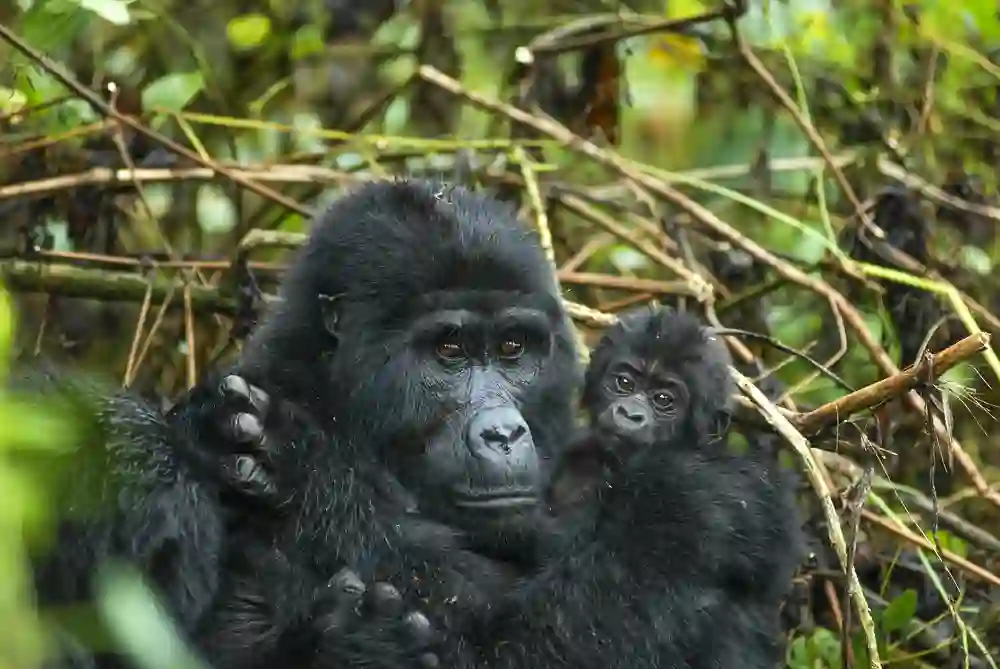
An adult mountain gorilla female Nyamuhango(meaning the giant) of Habinyanja mountain gorilla family in Bwindi Impenetrable National Park, Uganda gave birth to a a bouncing baby.

Both the mother and the baby, (and silverback dad?) are visibly healthy.

Uganda Minister for Tourism, Wildlife, and Antiquities and the Uganda Wildlife Authority (2012), the new census reveals a minimum population of 400 gorillas, up from 302 animals in 2006. The census was conducted by the Uganda Wildlife Authority, the Institut Congolais pour la Conservation de la Nature (ICCN) from the Democratic Republic of Congo and the Rwanda Development Board (RDB). The increase can be attributed in part to improved methodology, but also reflects real population growth.

When combined with the estimated 480 gorillas inhabiting the Virunga Volcanoes to the south (the only other location where mountain gorillas exist) , the world’s population of mountain gorilla now stands at 880. The mountain gorillas of Bwindi and the Virungas are the only gorilla populations known to be increasing; all other populations are thought to be in decline due to hunting and habitat loss.

The rise in mountain gorilla populations also indicates the success of a continued collaboration between the Uganda Wildlife Authority with the Institut Congolais pour la Conservation de la Nature (ICCN) in the Democratic Republic of Congo and the Rwanda Development Board (RDB); the Virunga Mountains lie on the borders of three countries, requiring the participation of agencies from Uganda, Democratic Republic of Congo, and Rwanda for effective monitoring and enforcement. Bwindi, however, is located in Uganda, but in the spirit of regional collaboration, the ICCN and RDB sent support teams for the 2011 Bwindi census effort.

Although far fewer in number than their western relatives, mountain gorillas have had a profound effect on both the public and the naturalists who have encountered them. While collecting specimens in Africa for the American Museum of Natural History in the early 20th Century, U.S. explorer Carl Akeley became concerned about the future of the mountain gorilla, helping to establish Africa’s first national park—now Virunga National Park—in 1925 to protect the gorillas.

In the late 1950s, WCS field biologist Dr. George Schaller conducted the first ecological study of mountain gorillas, estimating the total population at that time to be 450 individuals. The Virunga Volcano gorillas were made world-famous by Dr. Dian Fossey’s long-term gorilla study in the 1970s and 80s, a period during which the gorilla population declined dramatically as a result of poaching and habitat loss. In 1979, WCS conservationists Drs. Bill Weber and Amy Vedder helped establish the Mountain Gorilla Project—forerunner of the International Gorilla Conservation Programme (IGCP) —that combined pioneering ecotourism and education programs, with a more traditional anti-poaching effort.

WCS continues to protect mountain gorillas through applied research on key conservation challenges, and by providing support for the national protected area authorities and the Institute of Tropical Forest Conservation (ITFC) in Uganda.

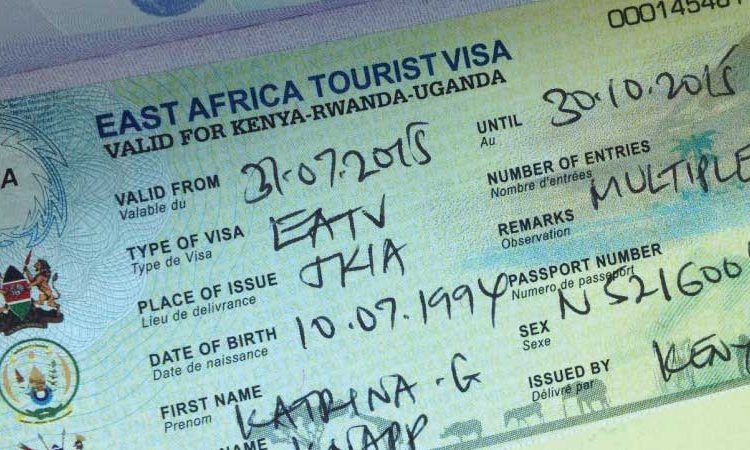
Tourist Visa fees Uganda, Rwanda, Kenya for foreigner residents Waived

According to Yamina Karitanyi, the Rwanda Development Board’s Head of Department for Tourism and Conservation, the waiver was agreed on under the Northern Corridor Integration projects initiative. So if you are a foreigner resident in any of the three countries, you don’t have to pay the Tourist Visa fees Uganda, Rwanda, Kenya for foreigner residents Waived

Known as the East Africa Tourist Visa (EATV), foreign residents no longer have to pay the $100 fee for the visa that is valid for 90 days effective December 15, 2014.

Karitanyi, said the waiver on the single East Africa Tourist Visa was the next step in consolidating and enriching the region’s tourism potential.

“We are approaching the rest of the world as a unified and rich tourist destination with varied experiences for travellers. We are also positioning East Africa’s tourism assets collectively as part of the Northern Corridor Integration Projects,” Karitanyi said at the weekend.

She added that joint marketing programmes will be carried out annually and will cover roadshows such as the International Tourism Board (ITB) and World Travel Market (WTM) in 2015.

She pointed out that going forward, the partner states will lobby for a single stand during international tourism marketing events.

Outlining the modalities of implementation, Karitanyi said eligible foreign residents shall be issued with interstate pass on exiting the host state and visitor’s pass endorsed in their passports on arrival by presenting valid work/resident permits.

Other immigration procedures and regulations will, however, be maintained.

In preparing for the joint marketing programmes, she noted that the partner states were already gearing up the teams involved by conducting destination training workshops and disseminating information on the use of national identity cards, student/voters cards and the East Africa Tourist Visa.

Uganda Tourism Board’s Chief Executive Officer Stephen Asiimwe, said the development will bring exponential benefits to foreign residents living in the region.

“Our countries have a rich tourist menu on offer; from serene beaches, to pristine wildlife and nature, exquisite reserves, to hospitable people. It is the place to visit. Our products are inexhaustible and this waiver offers our region the best place to live and work. We encourage this community to be a part of the endless discovery, encounter and adventure of the best tourism episode of Africa at the least affordable price,” Asiimwe said.

“We encourage the private sector to take advantage of this opportunity to offer unbeatable packages while maximising win-win offers.”

According to Kenya Tourism Board (KTB) Managing Director, Muriithi Ndegwa, this gives an opportunity to foreign residents in the three Partner States to explore the immense diversity of wildlife, landscapes, culture, and heritage, among other renowned attractions either for weekend gateways, corporate retreats or annual family holidays.

The just-concluded 8th Northern Corridor Integration Summit attended by Presidents; Uhuru Kenyatta of Kenya, Paul Kagame, and Yoweri Museveni of Uganda, held in Nairobi last week, also directed Rwanda’s Minister of Infrastructure to convene a meeting of Airline Industry stakeholders and finalise negotiations on the 5th Freedom Traffic Rights on Entebbe-Nairobi-Juba-Nairobi meant to address outstanding issues to reduce the cost of air travel in the region and report to the next Summit that will be held in Kigali.

Uganda‬ Safe for tourists, Calm and remains a Hospitable Country to visit

Despite having insecurity in neighboring DRC and South Sudan, Uganda‬ safe for tourists. There has been no harm to any tourists in Uganda as of yet.

International and some local media have carried stories to the effect that there are specific terror threats targeting Uganda and particularly Kampala Capital City.

In an emergency warning issued late Wednesday, the US mission in Kampala said it had “received information of possible terrorist threats to locations where Westerners, including US citizens, congregate in Kampala, and that an attack may take place soon” adding that some planned events had been cancelled at Kampala hotels. The US Embassy however, gave no further details.

Ugandan defence spokesman Paddy Ankunda said the warning was “absolutely” linked to the Al-Qaeda-backed Islamist’s, who have carried out major attacks in Kampala in the past.

As you are all aware, Uganda is a key contributor to the African Union’s AMISOM force battling the Al-Shabaab inside Somalia. However, the threat was “low level”, added Ankunda.

Uganda alongside countries in the region, and others world over including the United States of America face the daily threat of terrorism from such groups as the Al Shabab and the Allied Democratic Forces, and have put in place effective counter terrorism measures, especially in Kampala – Uganda’s Capital and at other vital installations such as Entebbe International Airport so as to ensure that those groups do not succeed in their evil plans.

The Uganda Police, together with sister security agencies, continuously, and on a daily basis, focus on the threat of terrorism and evaluates whatever information relating to any possible attacks on the country.

As Uganda Tourism Board, we wish to reassure the public, especially the travelers to Uganda and in particular those visiting Kampala Capital City and Entebbe that there is no cause for alarm. Uganda, the Pearl of Africa is secure and out of any harm’s way. Our armed forces, police and intelligence are on full alert in all public places and tourist attractions to ensure that tourists continue enjoying our pristine destination.

However, even with this reassurance, Uganda Tourism Board asks for vigilance, and advises that you report any suspicious items lying in any premises, any suspicious individuals and activities to the nearest police station, security officer, or Local Council official.

For more information please contact

Uganda Tourism Board
Plot 42, Windsor Crescent, Kololo
Tel: +256 414 342 196/7 or Fax: +256 414 342 188
E: utb@tourismuganda.info

Gorillas and Wildlife Safaris – TripAdvisor Certificate of Excellence Winner

Gorillas and Wildlife Safaris Uganda has won the prestigious Certificate of Excellence from TripAdvisor, which honours businesses that consistently earn top ratings from TripAdvisor travellers.

Gorillas and Wildlife winner of 2015,2016,2017 certificate of excellence trip advisor

With the rating of 5, Gorillas and Wildlife Safaris has earned a place among the very best. The award is given to only the most exceptional performers in the TripAdvisor global business community. It is a significant achievement deserving of recognition from both travellers and staff. In Uganda, the company is the the only tour operator to win the award in 2015.

TripAdvisor is the world’s largest travel site that recognizes the power of travellers’ feedback.’ We are proud to recognise Gorillas and Wildlife Safaris for earning exceptional traveller rating over the past year,’ confirmed Christine Petersen, the President Trip Advisor for Business. Ivan Wassaaka, the MD of Gorillas and Wildlife Safaris says that this certificate is a testimony to the reliably high standards in the company. “We strive to offer our customers a memorable experience, and this accolade is evidence that our hard work is translating into positive reviews on TripAdvisor.”

Also Alison Coups, Vice President of Marketing for TripAdvisor for Business confirms this. “The Certificate of Excellence award provides top performing establishments around the world the recognition they deserve, based on feedback from those who matter most – their customers.”

We would like to say a BIG thank you to all our corporate and individual clients as well as companies that have been supporting Gorillas and Wildlife Safaris both in Uganda and Rwanda!

Interested in taking your holiday in Uganda and Rwanda? Why not contact one of our sales team now!

The Batwa Trail in Bwindi Impenetrable National Park

Batwa Trail is a community based tour product developed by the Batwa community near Bwindi in conjunction with the Uganda Wildlife Authority and Pearls of Uganda an NGO:-

It starts at the base of Mt Muhavura at 8.00 am and finishes by 3-4 pm. You’ll need walking shoes, hat, and raingear, and a packed lunch with sufficient drinks.

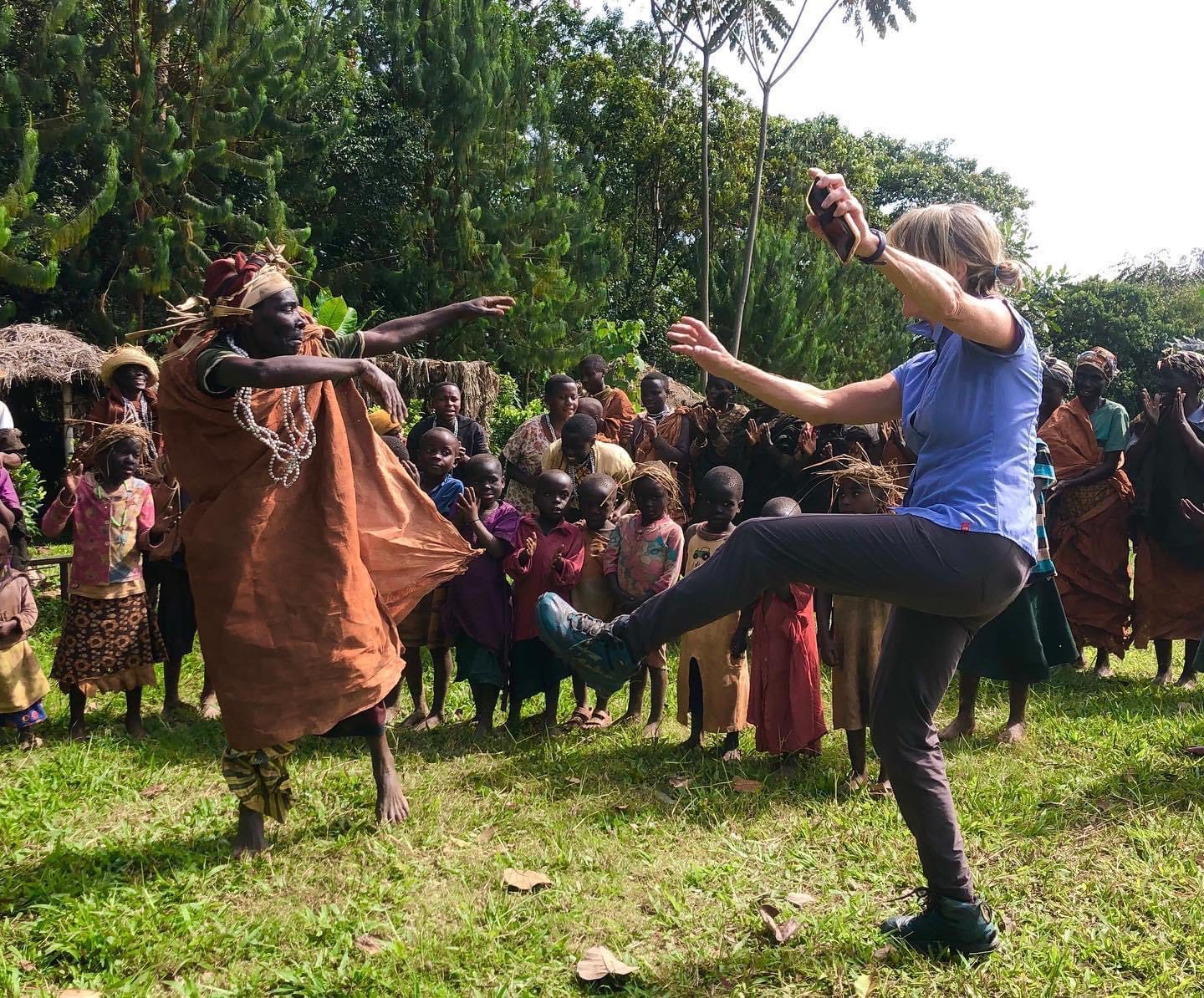
The Batwa Trail runs across the lower slopes of the Muhavura and Gahinga volcanoes in Mgahinga Gorilla National Park. The forest is home to a variety of wildlife but the Batwa Trail is far from being a conventional nature walk. With the help of Batwa guides, you’ll see the forest as a larder, pharmacy, builder’s yard, tool kit and, above all a home. Along the trail, you’ll fire a bow and arrow, check hives for wild honey, help repair a Batwa shelter, harvest plants for medicine and food, light a fire without a matches, listen to legends and learn about Batwa traditions.

The highlight of the trail is a descent into the Garama cave, a 200m-long lava tube beneath Mt. Gahinga. The Batwa are famed for their music and dance and their historic, subterranean council chamber in Garama Cave provides the setting for an unforgettable performance.

The Batwa trail is a celebration of the forest culture of the “‘first people.” It is impossible, however, to ignore the fact that Batwa life has greatly changed. The day’s events conclude with a discussion about the Batwa’s current situation; how it can be improved; and progress to date towards doing so.

To visit the Batwa while tracking the gorillas of Bwindi please visit www.trekgorillatours.com/uganda-4-days-gorilla-tour-batwa-pygmies-visit-bwindi.html

Mountain Gorillas Trekking Aside, Why Does Earth need Bwindi so badly?

British Airways suspends Heathrow–Entebbe flights, But why?

British Airways (BA) final flights to and from Entebbe airport to London Heathrow will be on October 2 and October 3, 2015 respectively as the company suspends all its services.

BA says after a review of its flight schedules, Heathrow-Entebbe route was not considered commercially viable.

British Airways was offering a luxury of direct flights from Uganda to the UK, but some Ugandan travellers prefer to use airlines going via the Middle East, despite the longer journey time.

By 2009, British Airways had dominated the competition increasing its flights from Entebbe to London from three-times-a-week to five times.

Why British Aiways abandoned their flight from London to Entebbe

Some have noted that BA’s exit is no surprise because of underlying fundamentals, especially in terms of trade.
Whereas some traders have redirected their efforts to China and India, UK remains a powerful trading partner with Uganda, not considering it has been turbulent for at least five years.
Imports from the UK in 2000 stood at $84m with exports standing at nearly $30m. However, there was a fast-paced growth, rising to $134m in 2011.
However, in 2014 it experienced a drop falling to $100m in 2014, which represented an import growth of 19 per cent between 2000 and 2014.

Exports have been flat in the same period, despite peaking at $54m in 2011.
And as it seems, BA has been courting these trade ties on hand and also bringing in tourists from the UK.
As of 2013, according to the Uganda Tourism Board, at least 60 per cent of all visitors from Europe were from UK.
And like the trade figures, 2011 was the best year with visitors from the UK growing to 77,702 but dropping in 2013, to 43,000, which again, according to market analysts wasn’t too bad.

Uganda Habituates 2 more gorilla groups for gorilla trekking

Uganda Rwanda gorilla chimp tour

Uganda has completed habituation of 2 mountain gorillas groups in Bwindi for gorilla trekking and research in Bwindi Impenetrable National Park.

The gorilla groups, named Bushaho and Bikingi, are named for their home ranges and contain some individuals from previously habituated groups. Both groups are led by former Nkuringo group silverbacks, Bahati and Bikingi.

There are 8 babies between these two groups (6 in Bikingi and 2 in Bushaho)! The groups are being habituated for tourism, yes.

Habituation allows veterinarians to visit the groups regularly and closely monitor them for any sign of illness or injury – and intervene to save a life when it is necessary. It also allows the rangers to monitor the group on a daily basis – and for instance, report a gorilla who has become caught in a poacher’s snare so that veterinarians can intervene and administer the necessary treatment immediately.

When combined with the estimated 480 gorillas inhabiting the Virunga Volcanoes to the south (the only other location where mountain gorillas exist) , the world’s population of mountain gorilla now stands at 880. The mountain gorillas of Bwindi and the Virungas are the only gorilla populations known to be increasing; all other populations are thought to be in decline due to hunting and habitat loss.

The rise in mountain gorilla populations also indicates the success of a continued collaboration between the Uganda Wildlife Authority with the Institut Congolais pour la Conservation de la Nature (ICCN) in the Democratic Republic of Congo and the Rwanda Development Board (RDB); the Virunga Mountains lie on the borders of three countries, requiring the participation of agencies from Uganda, Democratic Republic of Congo, and Rwanda for effective monitoring and enforcement. Bwindi, however, is located in Uganda, but in the spirit of regional collaboration, the ICCN and RDB sent support teams for the 2011 Bwindi census effort.

Although far fewer in number than their western relatives, mountain gorillas have had a profound effect on both the public and the naturalists who have encountered them. While collecting specimens in Africa for the American Museum of Natural History in the early 20th Century, U.S. explorer Carl Akeley became concerned about the future of the mountain gorilla, helping to establish Africa’s first national park—now Virunga National Park—in 1925 to protect the gorillas.

Uganda Wildlife Authority opens up road to King Rwenzururu’s burial site

The Uganda Wildlife Authority (UWA) has embarked on a programme to open a road that leads to the first king of the Rwenzururu Kingdom in the Rwenzori Mountains.
Late Isaya Mukirania Kyibanzanga I, who led the Bakonzo and the Bamba in a rebellion in 1961 against Toro Kingdom died in 1966. He was buried at the peak of the hill- Bulemba in the steep mountains of Rwenzori in Ihandiro sub – county in Kasese District.

“We are working with the local communities to construct a road so that tourists can reach Bulemba and see where the first king of the Bakonzo was buried,” Frederick Kiiza, the Rwenzori Mountains National Park chief warden, said.
UWA has so far constructed a modern hut at Bulemba,  about 500m below the Isaya Mukirania Kyibanzanga’s grave and a rest camp along the foot path to the tomb.

The Ihandiro sub – county chairperson, Fenhansi Baluku, confirmed that UWA had already released some money for clearing the bush that had grown on the Murushenga-Kibigha road that leads to Bulemba.

Murushenga-Kibigha road was first made between 1959 and 1960 by the Canadians who owned Kirembe Copper mines to extend the mining to Kigombya in the mountains.
Baluku told a gathering who trekked to Bulemba, 30 km from Bwera town in Bukonzo West, that clearing of the bush had already started to pave way for re – excavating the road.

Officiating at the celebrations that were held under the theme, “Exploring and Sustaining tourism potential in the Rwenzori Mountains,” the speaker of the Rwenzururu Kingdom, Enock Muhindo called on the youth to respond positively to what had led the Bakonzo and Bamba to wage rebellion.
He reminded the Rwenzururu subjects that after the demise of Kyibanzanga I, his first born son, Charles Wesley Mumbere Iremangoma, took over the kingdom and on August 15, 1981 declared the end of the war of violence.

Muhindo also advised the Rwenzururu youth to cooperate with fellow youth in Toro Kingdom.

“We must work together to bring peace in the Rwenzori region and live in harmony with other cultural institutions because we cannot develop in isolation, “he stressed.  An American tourist , Lauren Burton, one of those who trekked to Bulemba to attend the celebrations, said: “I have enjoyed being here.  The Rwenzori Mountains are beautiful from every corner. “