New Value Added Tax on Accommodation Raised Tour costs for Uganda Tours

The New Value Added Tax on accommodation in Uganda has led to any increase on tour costs for Uganda tours and safari packages.

Up on reading the 2013/14 annual Uganda government budget, new taxes were introduced on all accommodation facilities (18% Value Added Tax) with effect from July 2013.

And we have been receiving numerous emails from the lodges with credit notes and revised invoices for all the bookings. Of course this puts us in a very awkward position with our already confirmed clients’ bookings but the government won’t just give up to relent on their decision. We have been trying all ways to absorb the increase but it’s just to big for us.

Future safaris booked  will have the new 18% Value Added Tax included in the price quote to our clients – since the present increase was a surprise move and caught the hospitality industry and tourism sector off-guard and since there was no preparing for it we will have to add a surcharge covering the amount of the 18% Value Added Tax. Sadly there is no extra value for the Tourist – however there is for the cash-strapped Ugandan government.

This will mean significant higher costs to visitors of up-country park lodges – and certainly there is not going to be a free lunch for anyone – not only will tourists pay more, convention, conference attendees will also incur the new charges.

Taxes exist in every country including Uganda – some countries allow mechanisms for a refund of taxes paid as visitors leave the country – sorry, your taxes are going to stay in Uganda and hopefully will be put to good use improving the infrastructure and other needed areas of the Pearl of Africa.

Leading stakeholders have in recent days gone on rare record in the media over these actions, accusing government of not just mere lipservice towards the sector but of creating a work environment radically opposed to the often talked about an “enabling environment,” a phrase often used to self glorify economic advances even if glaringly absent.

“What they have done is create a disabling environment for the tourism industry. The tourist board which is supposed to promote the country, got a paltry 250 million Uganda shillings. What the hell are they thinking that can do other than pay rent and utilities and maybe staff?” ranted another regular source, for obvious reasons wishing to remain anonymous.

“This will lead to job losses in the sector and will only make an already tough situation more difficult. Others of our neighbors treat tourism as a priority sector, and here it is almost as if we are punished. Maybe they want to reduce tourism so that oil exploration can go ahead without us raising issues like in Murchison, where they want to pump oil in a wildlife park. We are completely at a loss to understand how a sector with the biggest potential for immediate job creation, FDI and forex earnings can be treated so badly. This is unacceptable, completely unacceptable,” said yet a third source met on Friday, all expressing their utter frustration with the turn of events.

Leading lodge operator in the country claimed, also on condition of anonymity, that their occupancies will suffer as a result of the tariff increases. It could not be immediately ascertained how the new VAT addition will affect conference participants now heading to Uganda for the Routes Africa meeting and other conferences, as their accommodation cost is also bound to increase by 18 percent.
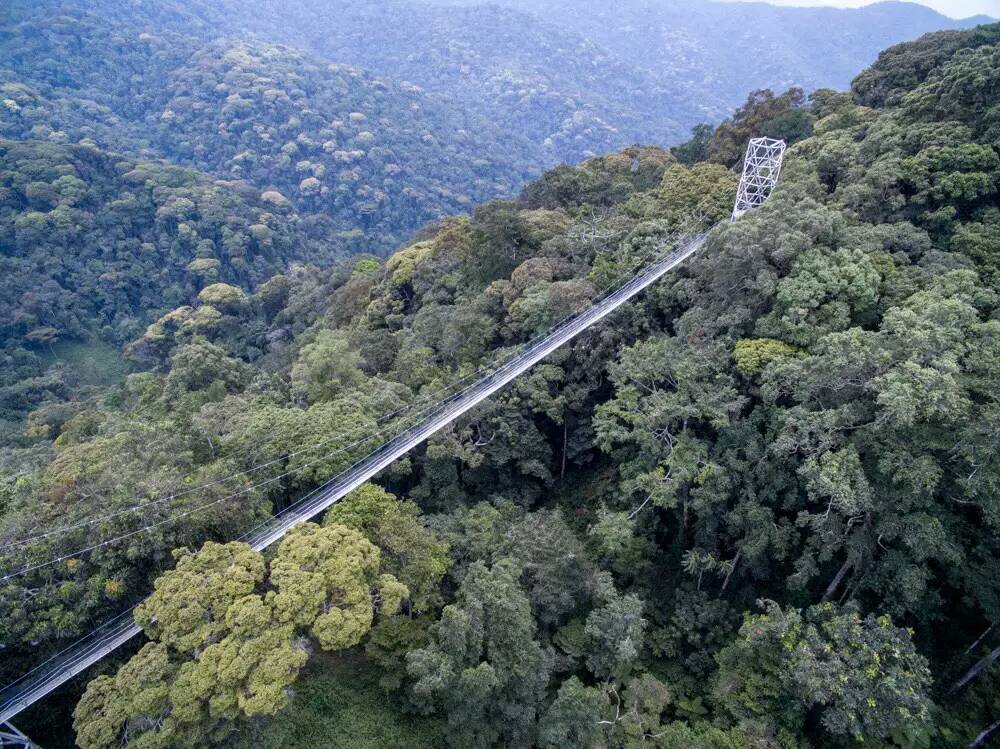
Nyungwe National Park nominated for Global Award

NYUNGWE NATIONAL PARK has made the cut of seven from the continent shortlisted for the 2013 World Travel Awards. The accolade follows last year’s British Guild of Travel Writers’ Global Award that the park received for its effort to harmonize tourism, wildlife and the agricultural community in one of Africa’s last surviving rainforests.

Nyungwe has been nominated alongside with Kalahari Game Reserve (Botswana), Etosha National Park (Namibia), Kruger National Park (South Africa), Masai Mara National Reserve (Kenya), Serengeti National Park (Tanzania), and Kidepo Valley National Park in Uganda.

Speaking to us yesterday, Clare Akamazi, the acting Chief Executive Officer of Rwanda Development Board, expressed optimism that Nyungwe would win the prestigious International Award.“It’s not the first time Nyungwe is recognized for its rich biodiversity; last year the park work the British Guild of Travel Writers’ Globe Award. It’s because the park focuses on conserving the environment and at the same time promoting tourism,” she said.

“Nyungwe Nziza” (beautiful Nyungwe) Project was created to strengthen sustainable eco-tourism in and around Nyungwe National Park.

Nyungwe National Park is the largest montane forest in Central Africa with 13 species of primate; these include chimpanzee and large groups of Rwenzori colobus. Tracking in Nyungwe Forest National Park is on steep slippery hillsides and viewing is unpredictable. Around 300 bird species, orchids and butterflies are other attractions. Nyungwe’s biodiversity is astonishing by African standards and is one of the most endemic species-rich areas in whole of Africa.

The Awards

The World Travel Awards was established in 1993 to acknowledge, reward and celebrate excellence across sectors of the tourism industry.
The winners are voted by individual professionals and consumers worldwide. According to the World Travel Awards website, last year’s winners were voted by peoples from over 170 countries.
Each year, World Travel Awards cover the globe with a series of regional gala ceremonies staged to celebrate individual and collective success with each key geographical region.
All regional winners then compete in a final round of voting to decide who walks away with the ultimate accolade in the tourism and travel industry.

The continental ceremonies will take place in Nairobi October 16, while the grand finale is set for November 30, in Doha Qatar.

Last year Rwanda’s tourism industry generated $281m compared to $251M in the previous year, an increase of 17 per cent, according to the Rwanda Development Board.

Uganda in Top-10 Most Popular Sub-Saharan Africa Tourist destinations – World Bank Report

The World Bank has placed Uganda in the Top-10 Most Popular Sub-Saharan Tourist destinations – destinations that are on course to turn into popular tourists’ destinations in Sub-Saharan Africa, according to a World Bank report. The Tourism in Africa: Harnessing Tourism for Growth and Improved Livelihoods report indicates that Uganda together with Rwanda, Burkina Faso, Gambia, Malawi, Mozambique, Senegal, Zambia, Zimbabwe, and the Seychelles are scaling up tourism and emerging as a tourism destination.

According to Tourism Update the report, titled Tourism in Africa: Harnessing Tourism for Growth and Improved Livelihoods, stated Sub Saharan Africa’s tourism industry was set to drive economic growth on the continent and directly employ 6.7 million people by 2021.

Tourism is one of the largest and fastest-growing sectors of the world economy, and tourism in Africa is ripe for development, the report notes.

For example, the number of tourists arriving in SSA has grown over 300% since 1990, with 2012 marking a high of 33.8 million tourists who visited the region.

Income generated from tourism has also climbed: Receipts from hotels, tours and other attractions in 2012 amounted to over US$36bn and directly contributed just over 2.8% to the region’s GDP, according to the report.

The report said these countries had simplified their tourism policies, liberalised air transport and diversified tourism while protecting their communities and environments, which created a positive investment climate for tourism development.

The World Bank has urged SSA governments to form alliances with the private sector-and the private sector to partner with government at local, regional and national levels.

Together they can plan and develop tourism infrastructure, increase transparency in land ownership and create a business-friendly environment for tour operators and other companies. When sustainably managed, tourism fuels economic transformation, accelerates reform, triggers infrastructure improvements, and empowers women and minorities in countries throughout Africa.

UGANDA TOURISM MINISTRY EMBARKS ON FENCING GAME PARKS IN UGANDA

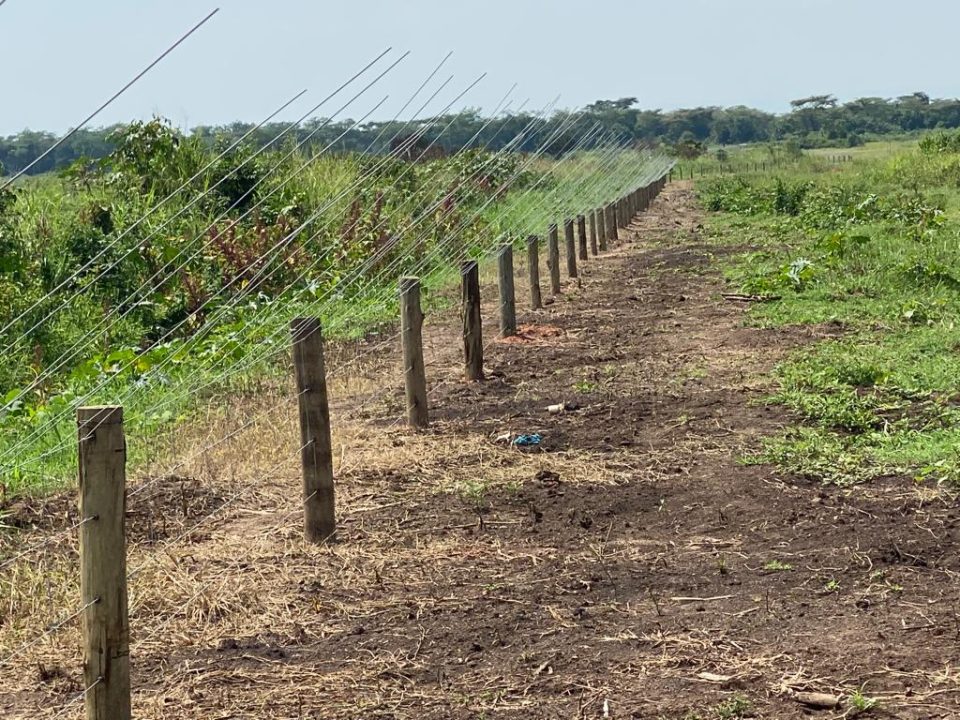
Ministry of Tourism, Wildlife and Antiquities has embarked on fencing and digging trenches around the Murchison national parks to contain marauding animals. The affected districts include Nwoya, Amuru, Moyo.
Communities neighboring Murchison national park have for long accused Uganda Wildlife Authority-UWA and Ministry of Tourism of negligence and failure to control the animals.

However, the ministry says it has embarked on a comprehensive program to fence off the park to deter animals from crossing into the crop fields. George Owoyesigire, the Acting Principal Wildlife Officer says he has personally been monitoring the digging of trenches in the Murchison National Park and the success rate is between 70-80 percent.
He says with such high success rate, more trenches will be dug to deter the elephants from crossing to the gardens. Owoyesigire says apart from the trenches, the ministry is also experimenting with the mixture of red pepper, used oil, chain-link and constructing buffalo walls to tame the animals.
Owoyesigire however says the biggest challenge in Murchison is the high water table and rocky nature that prevents them from constructing the trenches. He says the ministry is devising other means to use where the soils collapse easily because of the high water table.

NEW UGANDA WILDLIFE ACT REVIEW

The proposed Uganda Wildlife Act amendments currently before the Uganda cabinet are aimed at streamlining the operations of the oil exploration in line with the wildlife existence and environmental conservation.

The review which has been carried out by Ministry of Tourism, Wildlife and Antiquities in consultation with Uganda Wildlife Authority (UWA), Uganda Tourism Board (UTB) and environmentalists aims to bridge the loopholes in the current act which among others offered lenient punishment for poachers.

The current act was also enacted before the discovery of oil and did not address the issues of exploration and disturbances to the wildlife, particularly in the Albertine Region.

Barirega Akankwasah, the Principal Wildlife Officer at Ministry of Tourism, Wildlife and Antiquity since oil plays a big role in the economy of any country, they cannot say exploration must not take place in the protected areas. Though he did not mention any specific proposals, Akankwasah says what the amendment will provide is an environment where the two can mutually exist.

He says the National Environment Act provides for environmental impact assessment before engaging in any exploration. He says the there is also provision for the same in the current wildlife act. He says NEMA will come up with a broader impact assessment for oil and other sectors. He says this will ensure that both animals and oil activities can coexist.

OIL ACTIVITIES NOT INTERFERING WITH WILDLIFE IN UGANDA

The UWA Executive Director Andrew Seguya has said that oil activities are not interfering with wildlife in Uganda’s Albertine graben. A lot of oil exploration acticities are being carried out in Murchison Falls National Park which has a very diverse ecosystem for wildlife in Uganda.

This is contrary to the information from other UWA officials who say that the activities going on in the Albertine have greatly affected wildlife in the area.

The officials in their presentations at two different foras said that there has been death of animals due to poisonous chemicals used during drilling which have found their way into the ground and into the water drank by the animals.

The officials also said that the ongoing activities have greatly restricted their movements in the national parks adding that the noise and vibrations of machines is greatly affecting them.
But Seguya says that those activities are no different from the other usual activities carried out by the park rangers or the noise made by tourists’ trucks in the protected areas. He said that there were challenges even before the commencement of oil activities but what matters is how the challenges are handled.

He says that an oil unit has been set up in the strategic plan running from 2013-2018 to principally devise mitigation measures that need to be taken.
He added that rangers have been trained and deployed where exploration and drilling is taking place. A 24-hour team which is composed of UWA staff, staff from the National Environmental Management Authority (NEMA) and staff from the Petroleum Exploration and Exploration Department is responsible.

He said that he is confident that the challenges will be resolved because the oil companies are doing their part responsibly and that he is satisfied with their response.
In their presentations the, officials said that oil companies pay these rangers subsequently making it challenging for them to supervise their bosses.
But Seguya denied that the oil companies pay rangers. He said that what they do is pay UWA for the services it renders to them which he says is a basic principal of conservation called the polluter pays principle.
But the Projects Manager for Energy and Climate Change at the World Wildlife Fund (WWF)Robert Damulira says the impacts are now minimal and can probably be contained. But he doubts UWA’s competence in mitigating the medium term and long term impacts.

Damulira told our correspondent that the government and UWA in particular need to strengthen their policies and put some places in that region strictly off-limits. He said for example the Albert-Nile Delta which is important to animals for mainly water need to be demarcated as off-limits adding that he hopes that UWA and government will not be deceived by oil money to destroy Uganda’s important sector.
70 percent of the countries Protected Areas are in the Albertine and 50 percent of the oil wells lie with in these Protected Areas.

Uganda Wildlife Authority Launches Night Game Drives in Uganda National Parks

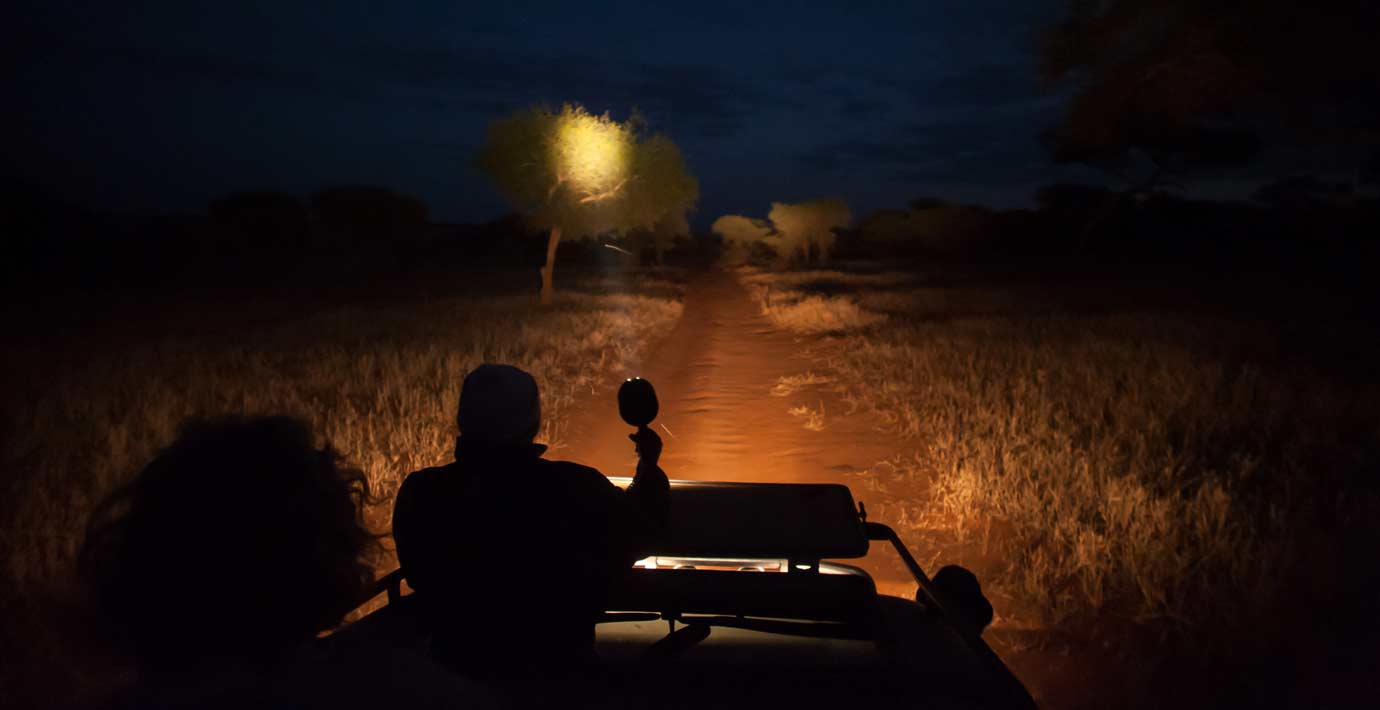
Uganda Wildlife Authority (UWA) has launched night game drives in Uganda National parks in a bid to boost tourism in the country. The drive launched last week is aimed at attracting more tourists to boost the economy. This comes after the authority embarked on massive promotion of tourism in the country.

Dr. Andrew Seguya, the executive director of Uganda Wildlife Authority, says the launch of the night drives at the parks is a big achievement for Uganda. He says many animals; particularly the carnivorous ones are active at night hunting for prey. He says this launch will give tourists better opportunities to view the animals hunting. He says the authority has already purchased open roof vehicles for the night drives.

Dr. Seguya says Uganda is expected to reap millions in foreign exchange after the launch.

He has appealed to the Ugandans to take this opportunity to view the wildlife of the country. Seguya says it is a rich experience to drive through the park at night while viewing the beautiful animals in the country.

Simplicious Gessa, the Public Relations Officer at Uganda Wildlife Authority, says the authority is set to introduce more packages for Ugandans.

Gesa says with time if the facilities are in place and the situation stabilizes, the authority may offer one day free visits for the locals to the parks. He says the authority is looking forward to the day when the locals will embrace wildlife as part of them and are ready to protect the animals.

He has appealed to the Ugandans to appreciate what nature has given them and be ready to protect it. Gessa says the authority will do everything to protect the wildlife and ensure that Uganda takes the lead in promoting tourism in the world.

Ngamba Chimps fight for Kingship – Who will be the next king of Ngamba?

Plots and counter plots have been taking place following the demise of Mika, who was the king of the 48 chimps living on Ngamba Island on Lake Victoria. Mika died early October out of unknown causes that are still being investigated.

Who will be the next king of Ngamba? Will the king step on the pedestal of power at Ngamba in a bloodless take over?
Innocent Ampeire, a caregiver at Ngamba, said influential individuals in the group have been holding ‘political meetings’ to choose the next leader. “The ranking males like Tumbo, Umutama, Eddie and Robbie do not seem interested in the position, but often meet and seem to discuss whom to back,” says Ampeire.

He also pointed out that Kalema, Indi, Kisembo and Maisko are contesting for the position of alpha male who is entitled to have sex with the females and also eat first. In return the king is supposed to be a unifier who settles disputes and protects the weak from aggression.

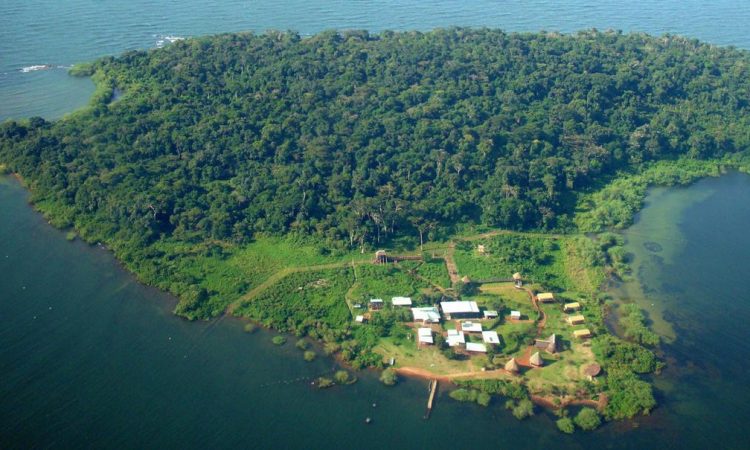
The Island is a chimpanzee sanctuary managed by the Jane Goodall Institute. Ngamba Island consists of approximately 100 acres, 98 of which are forested and separated from the visitors area by an electric fence. Ngamba Island was officially opened to visitors in October 1999 and is currently home to 48 orphaned chimpanzees.
It is interesting to watch the chimps interact with each other and with their keepers. In the relatively short amount of time you are there you will be able to see such different personalities amongst the group, with some whistling for food and others clapping. Obviously the ideal option would be to re-introduce these orphaned chimpanzees to the wild however this is not possible for a number of different reasons and the sanctuary is not bad for second best.

Uganda Wildlife Authority Card System a “Huge Success”

The newly Uganda Wildlife Authority card system has reportedly been a huge success making the authority save lots of money. Recently UWA decided to gradually change from  issuing paper entry permits and gorilla permits to plastic cards which act like ATM cards. The cards are loaded with a certain amount of money which the visitor can spend on any activity in the parks.

Jossy Muhangi, the acting Public Relations Manager Uganda Wildlife Authority says the Wildlife Card has been a huge success. He says they expect to roll out the wildlife card to cover all parks across the country, after the successful pilot project in Mgahinga Park last year.

The wildlife card system allows UWA to capture the details of the activities a tourist intends to carry out in the park after payment. On arrival, the card is loaded on a computer to check the details, after which the visitor is granted permission to proceed with his intended activities. Muhangi says with the card in place, those who used to dupe tourists into paying extra money cannot now succeed. He says criminals who forge UWA receipts and other documents can now easily be detected.

Muhangi says the system will also protect both tourists and wildlife officials from criminals who have been targeting with hopes of getting cash.

Muhangi says once paid, the card entitles a tourist to all the activities they have paid for. He says a visitor who wants to increase the number of activities within the park pays additional money to park officials who in turn will load all the details onto the card so that the visitor can enjoy his or her preferences.

NEW FERRY FOR ENTEBBE KALANGALA BUGALA ISLANDS

The Ssese Islands are an archipelago of eighty-four islands in the northwest of Lake Victoria, Uganda. About forty-three of the islands are inhabited. The islands vary in size from less than 10,000 square metres, to over 40 kilometres in length for the largest island, Bugala.

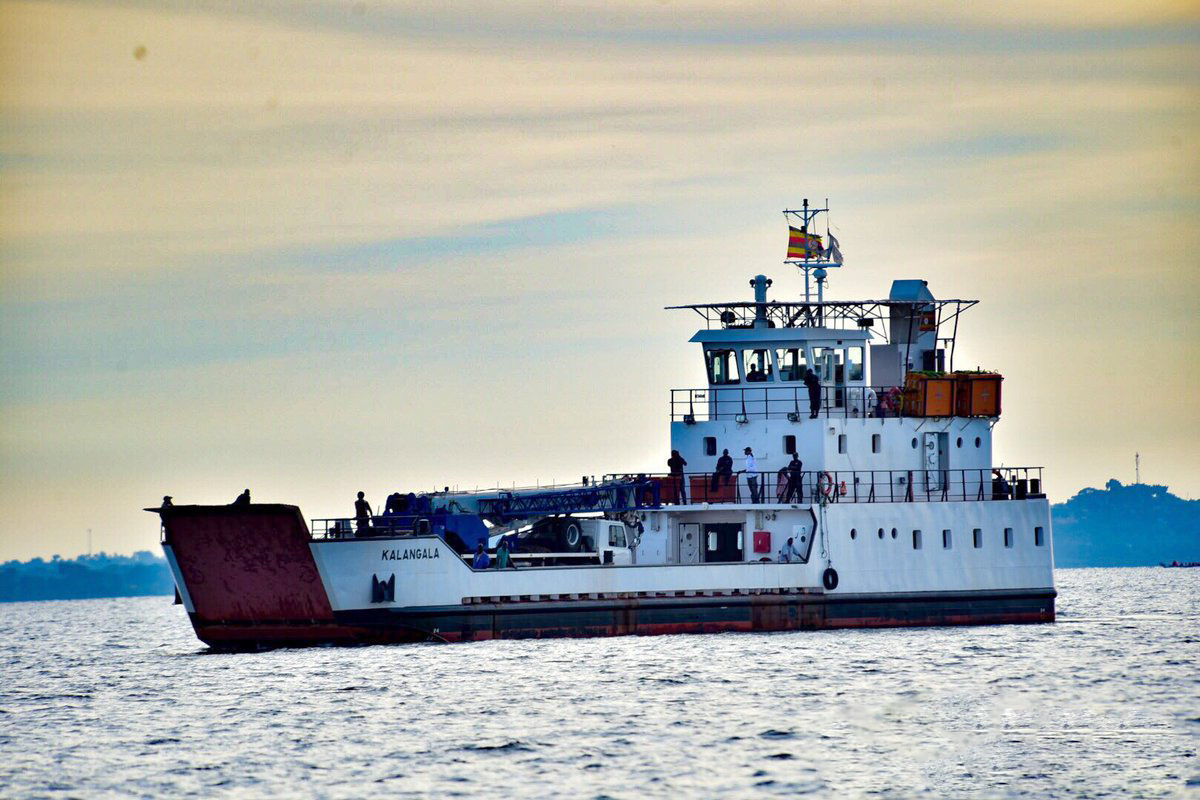
There is a new ferry to Kalagala from Entebbe (Natiwogo). Uganda Tour operators and tourists can now heave a sigh of relief after the introduction of MV-MOSES which is to provide transport to Kalangala Ssese islands from Nakiwogo Entebbe as the MV Kalangala undergoes a total overhaul in Mwanza.

The MV Kalangala leaves Nakiwongo in Entebbe at 2pm, you need to go earlier so that you are sure of a ticket. The main Island of which is Bugala has numerous accommodations. For budge – look out for Panorama cottages or mirembe resort. For high end look for the fairly new Brovad Sands Lodge. The taxis in Entebbe know Nakiwongo – where the ferry docks. Activities – Cycling around given route ( you can rent bicycles from the hotels and a map), forest walks, fishing, tour of Kalangala Island and bird watching.

According to a reliable source, each person boarding is charged Uganda Shillings 15000. The departure time from Entebbe time: 10:00am
Arrival time at ssese islands. 12:00.
Departure time from Ssese Islands: 3:00pm
Arrival time at Entebbe. 5:00pm.

The MV Kalangala Ferry schedule travel one route daily between (Nakiwogo landing site) outside Entebbe town and Lutoboka Bay, Buggala Island, Ssese. Ferry departs Entebbe for Kalangala at 2 pm arriving at 5.30 pm. The return journey from Kalangala to Entebbe starts at 8 am arriving at 11:30 am.

Bugala Island is easily accessible by ferry, and is a regular weekend destination for Kampala residents. The island forms an L shape (with the long stem of the L pointing south, and the short stem pointing west).